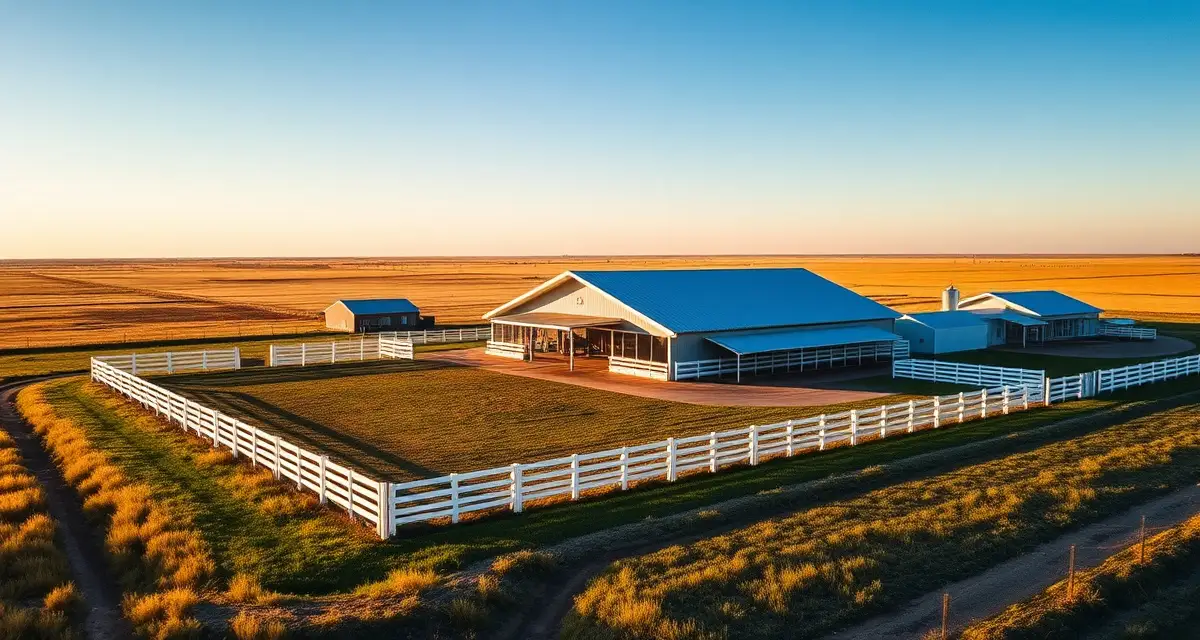
Equine Facilities in North Dakota
North Dakota's equine community is shaped by its history as working ranch country. The state has a smaller horse population than many of its neighbors, but the horses here are working animals in a meaningful sense: ranch horses, barrel horses, rodeo stock, and trail horses across an enormous land area with sparse population. Managing a horse facility in North Dakota requires planning for extreme weather, long distances to veterinary care, and a self-sufficient operational mindset.
The Equestrian Landscape
The western part of the state, including the Badlands and the areas around Dickinson, Medora, and Williston, is traditional ranch country. Quarter horses dominate here, used for cattle work and rodeo. The Theodore Roosevelt National Park draws trail riders, and outfitters operate rides into the Badlands from nearby facilities.
Bismarck and Mandan in the center of the state have the most developed equestrian infrastructure, including show facilities and boarding barns. Fargo in the east, along the Minnesota border, has a more suburban equestrian scene with lesson programs and competitive training.
The eastern Red River Valley has some of the most productive agricultural land in the world, and farms here occasionally support horses alongside crop and livestock operations, though dedicated equine facilities are less common in this intensively farmed region.
Winter Management
Winter in North Dakota is serious by any measure. Bismarck averages temperatures well below zero in January, and wind chills across the open plains can be dangerous for both horses and staff. Water management is the most critical winter challenge: pipes freeze, automatic waterers fail, and horses need more water in cold weather than many owners realize.
Facilities that run in North Dakota have typically invested in insulated and heated water systems, wind breaks for turnout areas, and indoor shelter that allows horses to get out of the elements. Heavy horses native to the region tend to grow thick winter coats and tolerate cold reasonably well, but horses coming from warmer climates or those with clipped coats need blanketing programs and monitored body condition.
Hay storage must account for getting through a full winter. Supply chains from hay-producing regions can be disrupted by weather, and running short in February is a crisis. Most experienced North Dakota operators maintain 120 to 150 days of hay reserves going into winter.
Facility Infrastructure
Because North Dakota has low population density, much of the equine infrastructure that concentrated metro areas take for granted is absent or distant. The nearest equine veterinary specialist may be several hours away. Farriers cover large territories. Feed suppliers may deliver infrequently.
This means barn managers in North Dakota develop a higher degree of self-sufficiency and a stronger reliance on preventive care and documentation than their counterparts in more populated states. Keeping thorough health records, tracking vaccination schedules, and having standing veterinary protocols for common conditions are practices that matter more here.
Rodeo and Western Sports Culture
Rodeo is deeply embedded in North Dakota culture. The North Dakota Rodeo Association sanctions events across the state, and 4-H and FFA programs introduce young people to horses through livestock and equestrian events at the county and state level. Barrel racing associations and ranch sorting groups add to the competition calendar.
Facilities that support rodeo athletes need to manage the specific demands of performance horses: conditioning programs, event travel, and the physical demands of rope horses and barrel horses. Tracking these horses' health and workload through a platform like BarnBeacon helps managers and owners stay aligned on conditioning and care between competition events.
Running a Sustainable Operation
The economics of horse facilities in North Dakota reflect the regional economy. Oil industry income in western areas has created pockets of disposable income for high-end horses and equipment, but the broader market is cost-conscious. Facilities that provide genuine value through professional management, consistent care, and clear communication tend to retain clients better than those that compete purely on price.
Technology adoption has sometimes been slower in rural Great Plains states, but that gap is closing. Owners who travel for work, which is common in oil and agricultural sectors, rely on digital updates to stay connected to their horses. See our guides on remote owner communication and owner notifications for practical approaches to this.
FAQ
What is Equine Facilities in North Dakota?
Equine facilities in North Dakota include boarding barns, training centers, rodeo arenas, and working ranch operations spread across a large, sparsely populated state. They range from full-service show barns near Bismarck and Fargo to working ranch setups in the western Badlands region. These facilities support quarter horses, barrel horses, rodeo stock, and trail horses, reflecting the state's deep ranching heritage and the practical demands of operating in an extreme climate.
How much does Equine Facilities in North Dakota cost?
Costs vary widely depending on facility type and location. Boarding rates in North Dakota typically run lower than coastal or densely populated states, averaging $200–$500 per month for pasture or stall board. Full-care stall boarding near Bismarck or Fargo may reach $600–$900 monthly. Ranch operations in the west carry higher infrastructure costs due to heating requirements, remote location, and the need for self-sufficient systems that can function through harsh winters without easy access to outside support.
How does Equine Facilities in North Dakota work?
Equine facilities in North Dakota operate around the core challenges of extreme weather and long distances. Most facilities invest heavily in insulated barns, heated water systems, and large hay and feed storage to survive winters where temperatures drop well below zero. Owners and managers typically maintain close relationships with veterinarians who may be hours away, plan ahead for emergencies, and build operational routines around the reality of functioning independently during storms or road closures.
What are the benefits of Equine Facilities in North Dakota?
Well-managed equine facilities in North Dakota offer horses and owners a practical, no-frills environment built for real working conditions. Benefits include lower land and boarding costs compared to many states, wide open riding terrain, access to trail riding in areas like Theodore Roosevelt National Park, and a tight-knit equestrian community with strong ranching and rodeo roots. For working horse owners, the culture prioritizes function and durability over luxury.
Who needs Equine Facilities in North Dakota?
Anyone keeping horses in North Dakota benefits from purpose-built equine facilities, but they are especially important for ranchers using horses for cattle work, barrel racers and rodeo competitors, trail riders accessing the Badlands, and lesson and training programs in urban centers like Fargo and Bismarck. Facilities are also critical for horse owners in remote areas who need reliable infrastructure to safely house horses through severe winters without close access to emergency veterinary or farrier services.
How long does Equine Facilities in North Dakota take?
Establishing a functional equine facility in North Dakota takes longer than in milder climates due to the infrastructure demands. Basic boarding or ranch setups may take several months to prepare, while full training or show facilities can take one to three years to build out properly. The construction window is limited by weather, and critical systems like insulated stalls, heated waterers, and adequate hay storage must be in place before winter arrives, making fall deadlines especially important.
What should I look for when choosing Equine Facilities in North Dakota?
When evaluating equine facilities in North Dakota, prioritize winter readiness above all: insulated or heated barns, frost-free water systems, and adequate feed storage for extended periods of isolation. Also assess proximity to veterinary and farrier services, since distances are significant across the state. For boarding, look at turnout quality, staff experience with cold-weather horse care, and emergency protocols. For competitive riders, consider access to an indoor arena, which is essential for year-round training in a state with long, harsh winters.
Is Equine Facilities in North Dakota worth it?
For anyone serious about keeping horses in North Dakota, a properly equipped equine facility is absolutely worth the investment. The state's climate demands infrastructure that less-prepared setups simply cannot provide safely. A well-built facility protects horse health during extreme cold, reduces emergency veterinary costs, and allows year-round riding and training. Whether you are running a working ranch, a competitive training program, or a recreational boarding operation, the upfront cost of a solid facility pays off in animal welfare and operational reliability.