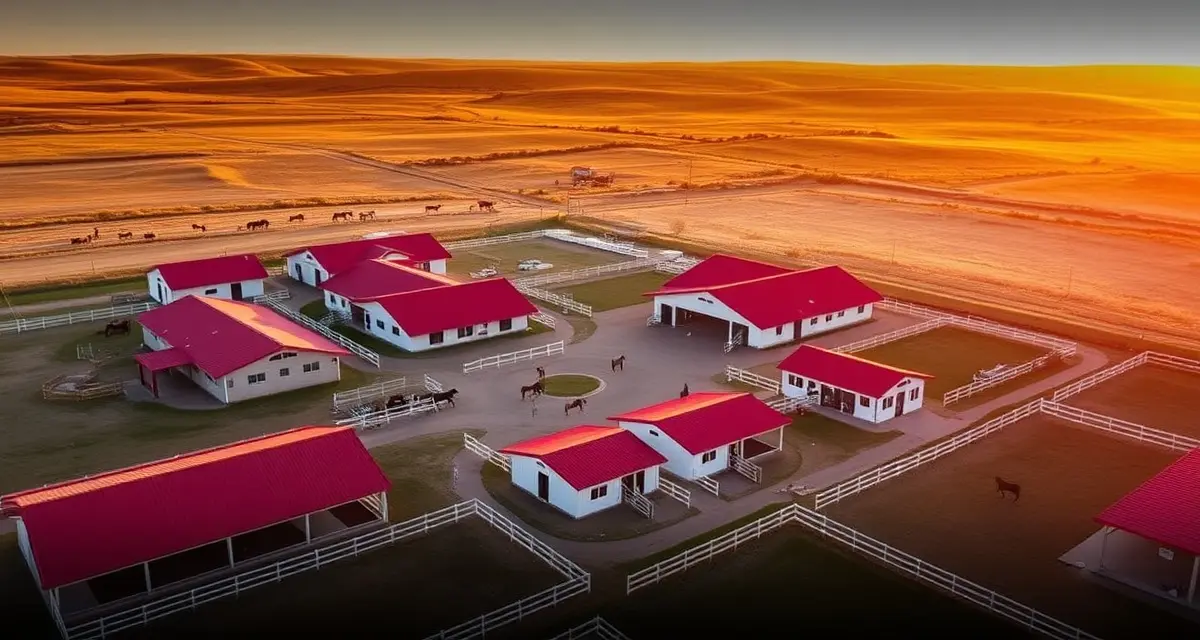
Equine Facilities in South Dakota
South Dakota has a substantial horse population rooted in its ranching and agricultural heritage. The state is home to working ranch horses, rodeo competitors, trail riding operations, and a growing number of pleasure boarding facilities in areas around Rapid City, Sioux Falls, and the Black Hills region.
The South Dakota Equine Landscape
The Black Hills area around Rapid City and Sturgis has seen growth in recreational equestrian facilities driven by tourism, trail riding, and the scenic terrain that attracts riders from across the region. The eastern part of the state, with its more agricultural character, is home to working ranch operations and smaller boarding facilities serving local horse owners.
Quarter horses, paints, and appaloosas are common throughout the state, reflecting the western and ranch riding traditions that dominate South Dakota's equestrian culture. Rodeo remains deeply embedded in the state, with facilities near Rapid City and in smaller agricultural communities supporting rope horses, barrel horses, and all-around rodeo athletes.
Native American nations across South Dakota have significant horse programs and cultural connections to horsemanship that are woven into the broader equestrian community of the state.
Climate and Weather Challenges
South Dakota's climate is one of the most demanding in the continental United States for horse facility management. Winters can be severe, with extended periods of sub-zero temperatures, heavy snow, and wind chills that create real welfare challenges for horses housed outdoors or in under-insulated facilities.
Winter management is the dominant operational challenge for most South Dakota facilities. Heating water tanks and pipes, maintaining accessible footing, managing hay supply through potentially months of deep snow, and protecting horses from wind and cold are all routine winter concerns.
The Black Hills region can experience rapid and dramatic weather changes. Chinook winds can raise temperatures fifty degrees in a matter of hours, shifting from dangerous cold to mud season almost overnight. Facilities need to be prepared for rapid transitions rather than gradual seasonal changes.
Summers are generally pleasant with hot days and cool nights, though the eastern plains can be hot and windy in July and August. Adequate water access and shade for pasture horses are the primary summer concerns.
Regulatory and Registration Considerations
South Dakota requires a negative Coggins test for horses being transported or sold in certain contexts. The South Dakota Animal Industry Board oversees equine health regulations and disease reporting. Facilities housing horses from multiple owners should maintain current health documentation for each animal.
Management Priorities for South Dakota Facilities
Winter readiness. A systematic winter preparation checklist that covers water supply, bedding stock, emergency hay reserves, and equipment maintenance is essential at South Dakota facilities. The consequences of a system failure during a severe winter storm are serious.
Water monitoring. When temperatures drop well below freezing, water consumption is the primary health concern. Horses that stop drinking due to cold water are at elevated colic risk. Heated water systems and regular consumption monitoring are standard practice.
Robust documentation. Rural South Dakota facilities may have limited veterinary access during severe weather. Well-maintained health records, clear medication protocols, and documented emergency procedures are more important in remote areas where professional help may be hours away.
BarnBeacon helps South Dakota barn managers maintain organized per-horse health records, log care observations across seasons, and manage billing in operations that may have variable populations of working ranch horses and recreational boarders. See also: seasonal-barn-management and veterinary-records-management.
FAQ
What is Equine Facilities in South Dakota?
Equine facilities in South Dakota encompass a wide range of horse-keeping operations, including working ranch stables, boarding facilities, rodeo training centers, trail riding outfitters, and recreational equestrian properties. Concentrated around Rapid City, the Black Hills, and Sioux Falls, these facilities serve quarter horses, paints, appaloosas, and rodeo athletes. They reflect the state's deep ranching heritage and growing recreational riding culture, supporting everything from daily horse care to competitive training and tourism-driven trail experiences.
How much does Equine Facilities in South Dakota cost?
Costs vary significantly by facility type and location. Basic pasture board in rural South Dakota typically runs $150–$350 per month, while full-care stall board near Rapid City or Sioux Falls can range from $400–$700 monthly. Trail riding operations charge $50–$150 per guided ride. Rodeo and training facilities may charge $500–$1,200 monthly for specialized programs. Climate-related infrastructure like heated water systems and insulated barns adds to overhead, which is often reflected in boarding rates.
How does Equine Facilities in South Dakota work?
Equine facilities in South Dakota operate by providing horses with shelter, feed, water, turnout, and care services suited to the region's harsh climate and agricultural traditions. Boarding facilities manage daily feeding, stall cleaning, and veterinary coordination. Ranch operations integrate horses into working cattle programs. Trail and tourism facilities pair horses with guided rides across Black Hills terrain. Management software like BarnBeacon helps operators track feeding schedules, health records, billing, and communications across all facility types.
What are the benefits of Equine Facilities in South Dakota?
South Dakota equine facilities offer horses access to wide open land, experienced horsemanship communities, and terrain suited to western riding disciplines. For owners, boarding locally means proximity to like-minded ranchers and competitors. Facilities near the Black Hills provide scenic trail access rarely matched elsewhere. The strong rodeo culture creates pathways for training and competition. Purpose-built facilities with climate-adapted infrastructure protect horses through brutal winters and hot summers, improving overall herd health and owner peace of mind.
Who needs Equine Facilities in South Dakota?
Anyone keeping horses in South Dakota benefits from purpose-designed equine facilities. Working ranchers need functional, weather-hardy setups for cattle horses. Competitive riders require arenas and training infrastructure. Recreational owners in suburban areas around Sioux Falls and Rapid City rely on boarding facilities for daily care. Trail riding businesses and tourism operators need stabling for multiple horses. Native American communities with cultural horsemanship programs also depend on well-equipped facilities to sustain their traditions and horse programs.
How long does Equine Facilities in South Dakota take?
Establishing a basic equine facility in South Dakota takes six months to two years depending on permitting, construction, and zoning approvals. Simple pasture boarding operations can be operational quickly if land and water infrastructure exist. Full barn builds with insulated stalls, arenas, and heated water systems take longer due to contractor availability and weather-dependent construction windows. Ongoing facility management is continuous, with seasonal demands peaking in winter when feeding, water heating, and shelter maintenance require significantly more time and labor.
What should I look for when choosing Equine Facilities in South Dakota?
When evaluating South Dakota equine facilities, prioritize winter readiness—insulated barns, heated automatic waterers, and windbreaks are essential given the state's harsh winters. Look for adequate pasture or turnout space, quality forage sourcing, and experienced staff familiar with western horse breeds. Proximity to veterinary services matters, especially in rural areas. For boarders, review feeding protocols, turnout schedules, and security. Facilities using barn management software typically offer better record-keeping, billing transparency, and communication, which signals professional, reliable operation.
Is Equine Facilities in South Dakota worth it?
For horse owners in South Dakota, a quality equine facility is absolutely worth the investment. The state's climate demands proper shelter and infrastructure that backyard setups often cannot reliably provide. Professional facilities reduce health risks, ensure consistent care, and connect horses and owners to a broader equestrian community. For operators, purpose-built facilities with good management systems improve efficiency and profitability. Whether you're ranching, competing in rodeo, or trail riding the Black Hills, the right facility makes horse ownership safer and more enjoyable.