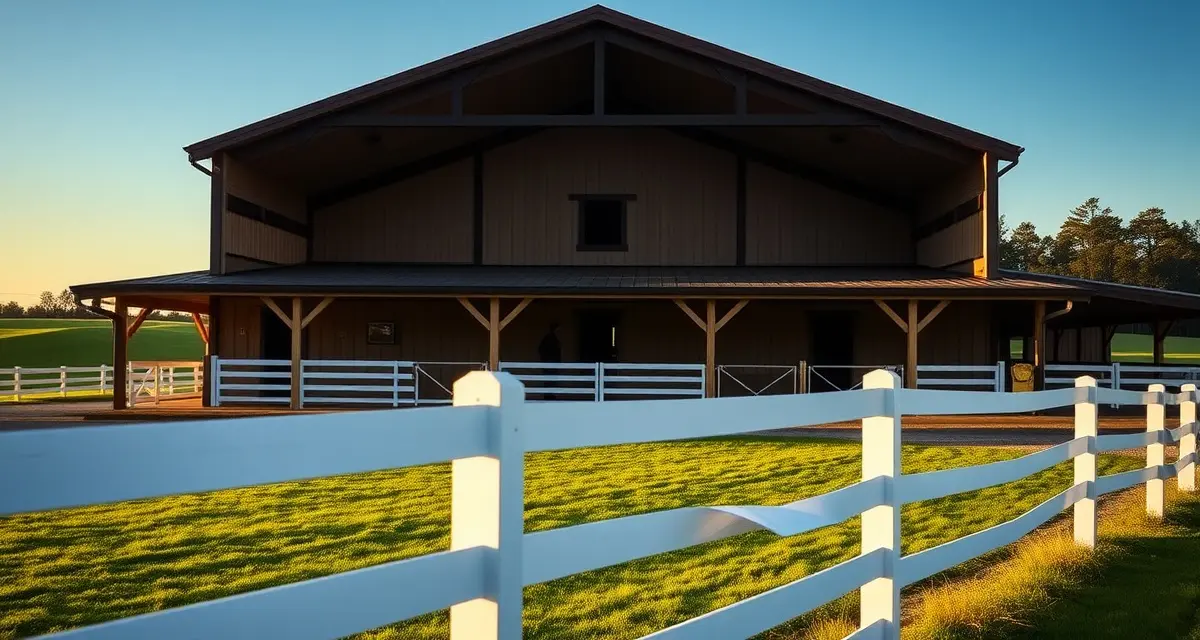
Equine Facilities in South Carolina
South Carolina has a strong equestrian community concentrated in the Midlands and Upstate regions, with significant activity in counties like Aiken, Richland, and Lexington. Aiken in particular has a national reputation as an equestrian destination, with year-round riding weather, well-maintained trails, and a community that has supported horse sports for over a century.
The South Carolina Equine Landscape
The state supports a diverse range of disciplines including hunter/jumper, dressage, western riding, eventing, and trail riding. Aiken is home to numerous winter training operations serving horses and riders who come south to escape colder climates, creating a seasonal influx that adds complexity to local facilities that accept short-term boarders.
Thoroughbred breeding and racing has deep roots in South Carolina, particularly in the Aiken area where the training track and polo grounds attract professionals from around the country. Many facilities in this region operate as full-service training centers handling both resident and seasonal horses.
The climate in South Carolina is generally favorable for year-round riding, with hot and humid summers being the primary challenge. Heat management in summer, including scheduling turnout during cooler hours and maintaining good barn ventilation, is a routine consideration for facility managers across the state.
Regulatory and Registration Considerations
South Carolina requires a current Coggins test (negative equine infectious anemia test) for horses being transported within the state for certain purposes, and a current health certificate for horses crossing state lines. Facilities accepting horses from out of state need to verify documentation on arrival.
The South Carolina Department of Agriculture oversees equine-related regulations and provides resources for horse owners and facility operators. Facilities offering riding instruction or operating as riding schools may have additional liability and insurance considerations under state law.
Management Challenges for South Carolina Facilities
Seasonal population management. Facilities near Aiken and other equestrian centers experience significant fluctuations in boarder population driven by the winter training season. Managing short-term and seasonal boarders alongside permanent residents requires flexible billing, clear intake processes, and good documentation.
Parasite management in warm climates. The South Carolina climate supports year-round parasite activity, making a consistent, targeted deworming program more critical than in colder states. Fecal egg count monitoring and strategic treatment is the current standard of care recommended by the AAEP.
Heat and humidity protocols. Summer months require specific management protocols for horse health and comfort. Fans, adequate ventilation, electrolyte access, and adjusted work schedules are standard tools for South Carolina facility managers.
Water quality. Many rural South Carolina properties use well water. Periodic testing and monitoring for mineral content that might affect palatability or horse health is part of responsible facility management.
Using BarnBeacon at South Carolina Facilities
BarnBeacon helps South Carolina barn managers handle the complexity of mixed long-term and seasonal boarding, per-horse health record management, and billing that accurately reflects the variable services a warm-climate, active competition environment generates.
For Aiken-area facilities managing winter training clients, the ability to track short-term boarders alongside permanent residents, maintain current health documentation records, and generate accurate invoices for variable service charges makes a significant operational difference.
For facilities across the state, BarnBeacon's mobile-first design means managers can log observations and charges from anywhere on the property, keeping records current without requiring time at a desk. See also: short-term-boarding-management and seasonal-barn-management.
FAQ
What is Equine Facilities in South Carolina?
Equine facilities in South Carolina encompass a wide range of horse-keeping operations, from full-service training centers and boarding barns to breeding farms and trail riding properties. The state is particularly known for its concentration of facilities in Aiken, Richland, and Lexington counties. Aiken stands out as a nationally recognized equestrian destination, hosting hunter/jumper, dressage, eventing, western, and Thoroughbred training operations that serve both year-round residents and seasonal visitors.
How much does Equine Facilities in South Carolina cost?
Costs vary significantly depending on the type of facility and services offered. Basic pasture board in South Carolina typically runs $200–$400 per month, while full-service stall board with training support in premium areas like Aiken can range from $800 to over $2,000 per month. Seasonal short-term boarding rates are often higher due to demand from winter training operations. Feed, farrier, veterinary care, and lesson fees are generally billed separately on top of board.
How does Equine Facilities in South Carolina work?
South Carolina equine facilities operate by providing horses with stabling, turnout, feed, and care under a board agreement. Full-service centers also coordinate farrier and vet visits, manage turnout schedules, and offer training programs. Many Aiken-area facilities handle seasonal horses from northern states during winter months, requiring streamlined intake processes and flexible boarding terms. Barn management software is increasingly used to track feeding schedules, health records, billing, and communication between staff and horse owners.
What are the benefits of Equine Facilities in South Carolina?
South Carolina's equine facilities offer riders access to year-round riding conditions, well-maintained arenas, and a deeply embedded equestrian culture—especially in the Aiken region. Benefits include professional training support across multiple disciplines, access to established trail networks, proximity to recognized competitions, and a community of knowledgeable horse people. For seasonal visitors, the warm winter climate allows uninterrupted training when northern operations shut down, making South Carolina facilities especially valuable for competitive riders maintaining peak conditioning.
Who needs Equine Facilities in South Carolina?
Anyone keeping horses in South Carolina can benefit from quality equine facilities—from competitive riders in hunter/jumper or dressage to recreational trail riders and Thoroughbred breeders. Professional trainers operating winter programs, out-of-state riders relocating south seasonally, and local owners seeking professional care all rely on the state's facility network. New horse owners looking for guidance, as well as experienced professionals needing short-term stabling during competition circuits, are also key users of South Carolina's equine facility infrastructure.
How long does Equine Facilities in South Carolina take?
The timeline depends on your specific need. Finding and booking a boarding facility can take anywhere from a few days to several weeks, depending on availability—especially in peak winter season in Aiken when demand is high. Settling a horse into a new facility typically takes two to four weeks for full adjustment to new feed, turnout routines, and environment. For facility owners, implementing barn management systems or upgrading operations can take a few weeks to a couple of months depending on scope.
What should I look for when choosing Equine Facilities in South Carolina?
When evaluating equine facilities in South Carolina, look for safe, well-maintained stabling with proper ventilation given the hot, humid summers. Check that turnout schedules account for heat management and that the footing in arenas and paddocks is appropriate for your discipline. Ask about feeding programs, emergency vet protocols, and staff-to-horse ratios. For seasonal boarders, confirm the facility has experience managing short-term horses. References from current boarders, transparency in billing, and the use of organized management systems are all positive indicators.
Is Equine Facilities in South Carolina worth it?
For most horse owners in South Carolina, quality equine facilities are absolutely worth the investment. The state's favorable climate, strong equestrian community, and access to professional training make it an excellent base for competitive and recreational riders alike. Facilities in areas like Aiken offer unique advantages that are hard to replicate elsewhere. Choosing the right barn—one that aligns with your discipline, budget, and management expectations—directly impacts your horse's health and your riding progress, making careful selection a worthwhile effort.