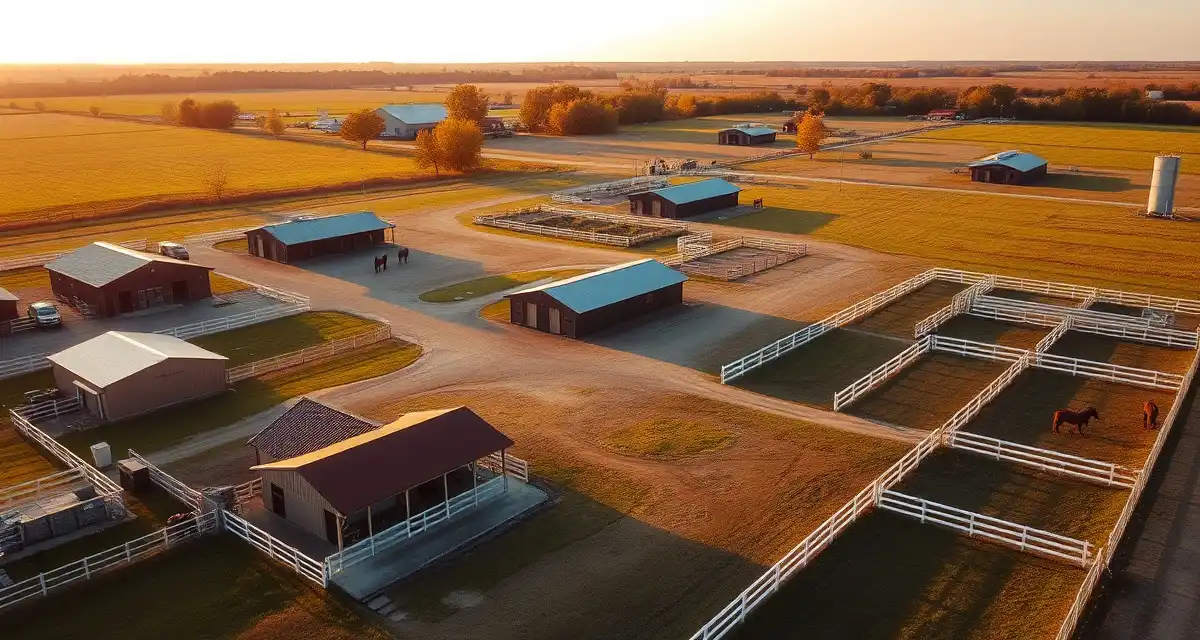
Equine Facilities in Ohio
Ohio is one of the top ten states in the country for horse population and has a richly diverse equestrian scene. The state's mix of agricultural tradition, suburban growth, and a strong Amish and draft horse presence creates a unique horse culture that runs from draft horse pulls at county fairs to nationally competitive dressage and reining programs.
Regional Breakdown
Central Ohio around Columbus is the hub of the state's competitive equestrian activity. The Ohio Expo Center hosts major shows year-round, and facilities in Delaware, Union, and Licking counties serve a dense population of competitive riders. The Columbus area has become one of the stronger hunter/jumper and dressage markets in the Midwest.
Northeast Ohio, including the Greater Cleveland area and the Akron-Canton corridor, has an established horse community with strong lesson programs and boarding facilities. Holmes and Wayne counties are the heart of Ohio's Amish country, where draft horses are working animals and the horse economy is genuinely agricultural rather than recreational.
Southwest Ohio near Cincinnati and Dayton blends suburban equestrian facilities with rural operations. The Miami Valley has historically been strong horse country, and the proximity to Kentucky makes thoroughbred influence significant here.
The Amish Draft Horse Tradition
Ohio has the largest Amish population in the world, and their relationship with horses is entirely practical. Belgians, Percherons, and Haflingers used for farming, transport, and logging represent a distinct segment of the state's equine population. Facilities and veterinarians serving these communities operate differently than those focused on sport horses. For barn managers in areas adjacent to Amish communities, understanding draft horse needs and the values of these clients is a meaningful business consideration.
Weather and Operational Planning
Ohio weather is variable in ways that require flexible barn management. Winters can range from mild to severe, and spring brings significant mud. Ice storms are a recurring challenge in winter, and humidity in summer creates conditions favorable for respiratory issues and skin diseases.
Facilities need covered storage for hay and grain, reliable water systems that can handle freezing temperatures, and outdoor footing that holds up during wet seasons. Installing sacrifice lots with proper drainage is one of the highest-return investments an Ohio facility can make.
Summer also brings heat and humidity, and the combination is more taxing on horses than either alone. Ventilation in stalls and barns matters, and monitoring horses in turnout during heat advisories is part of responsible management.
Managing a Boarding Facility
Ohio's boarding market is competitive, particularly in the Columbus metro and northeast corridor. Clients have options and make decisions based on communication quality, staff competence, and facility cleanliness as much as on amenities and price.
Barn managers who can demonstrate consistent, professional care through documented records and clear owner updates hold clients more reliably. BarnBeacon gives Ohio barn managers the tools to log daily observations, track care tasks, and send owners timely notifications about health events without it becoming a full-time communication job in itself.
Health Considerations
Ohio is in a mosquito-active region for much of the summer, making West Nile virus and Eastern equine encephalitis vaccination compliance important. Equine herpesvirus outbreaks have occurred at Ohio show facilities, and managers who maintain strict biosecurity protocols protect both their horses and their reputation.
The state does not require a Coggins for horses on a single owner's private property, but any horse attending a public gathering, sale, or crossing state lines requires a current test. Facilities with active show clients should track expiration dates as part of their health record management.
Farm Operations and Land Management
Ohio's climate and soil conditions support good pasture production when managed properly. Rotational grazing, regular soil testing, and parasite management through fecal egg counts are well-established practices among the state's more progressive equine operations. Overgrazing is common at facilities that have more horses than their pasture acreage can support, and identifying that mismatch early prevents long-term pasture degradation.
For related resources, see our guides on pasture rotation management and paddock rotation scheduling.
FAQ
What is Equine Facilities in Ohio?
Ohio's equine facilities include a wide range of horse-focused properties such as boarding barns, training centers, lesson programs, breeding operations, and competition venues. The state supports everything from working draft horse farms in Amish country to high-end hunter/jumper and dressage facilities near Columbus and Cincinnati. With one of the largest horse populations in the country, Ohio's equine infrastructure spans rural agricultural operations, suburban riding schools, and nationally competitive show venues like the Ohio Expo Center.
How much does Equine Facilities in Ohio cost?
Costs vary significantly by region and service type. Full-care boarding in competitive Central Ohio markets typically runs $400–$900 per month, while pasture board in rural areas can start around $150–$250. Training and show facilities near Columbus or Cincinnati command premium rates. Lesson programs average $50–$100 per session. Draft horse operations in Holmes and Wayne counties often operate on traditional agricultural economics, making pricing more variable than in recreational equestrian markets.
How does Equine Facilities in Ohio work?
Equine facilities in Ohio operate by connecting horse owners with boarding, training, breeding, or competition services suited to their discipline and location. Owners select a facility based on amenities, proximity, and specialization. Many facilities combine multiple services — board, lessons, and training — under one roof. Regional hubs like Columbus serve competitive riders needing access to shows, while rural facilities prioritize turnout, hay production, and working horse management for Amish and agricultural clients.
What are the benefits of Equine Facilities in Ohio?
Ohio's equine facilities offer access to a nationally competitive equestrian scene, strong regional show circuits, and a diverse horse culture. Riders benefit from proximity to major venues like the Ohio Expo Center, qualified trainers across multiple disciplines, and a large peer community. Agricultural operations gain access to working horse infrastructure, farriers, and vets experienced with draft breeds. The state's geography also means short travel distances between facilities and competition venues across Central and Northeast Ohio.
Who needs Equine Facilities in Ohio?
Anyone involved with horses in Ohio benefits from quality equine facilities — competitive riders in hunter/jumper, dressage, or reining need training and show-prep environments. Hobby riders and beginners rely on lesson barns with safe, well-managed horses. Breeders require specialized foaling and handling infrastructure. Amish and agricultural communities depend on working facilities built around draft horse needs. Horse owners relocating to Ohio should identify facilities early, as boarding spots in competitive markets near Columbus fill quickly.
How long does Equine Facilities in Ohio take?
Settling into an Ohio equine facility depends on your goal. Finding and securing boarding can take days to weeks, depending on availability. Establishing a training relationship typically requires one to three months before meaningful progress is measurable. Competing through Ohio's regional circuits runs on a seasonal calendar, with major shows concentrated from spring through fall. Draft horse events and county fair pulls follow summer and harvest schedules. Plan ahead — desirable stalls at top Central Ohio facilities often have waitlists.
What should I look for when choosing Equine Facilities in Ohio?
Prioritize facilities that match your discipline, whether that's a dedicated dressage barn with proper footing near Columbus or a working pasture operation in Wayne County. Evaluate turnout space, stall size, hay and feed quality, and on-site or nearby farrier and vet access. For competitive riders, proximity to Ohio Expo Center and regional show grounds matters. Ask about trainer credentials, lesson horse quality, and emergency protocols. Visit in person, talk to current boarders, and confirm what's included in the monthly rate.
Is Equine Facilities in Ohio worth it?
For Ohio horse owners, quality equine facilities are genuinely worth the investment. The state's robust horse community means you get access to experienced trainers, active show circuits, and a network of equine professionals. Facilities near Columbus and Cincinnati offer a level of competition infrastructure that rivals larger markets. Even in rural areas, well-run boarding and working horse operations provide safety, community, and peace of mind. Choosing the right facility significantly impacts your horse's health, your riding development, and your overall enjoyment.