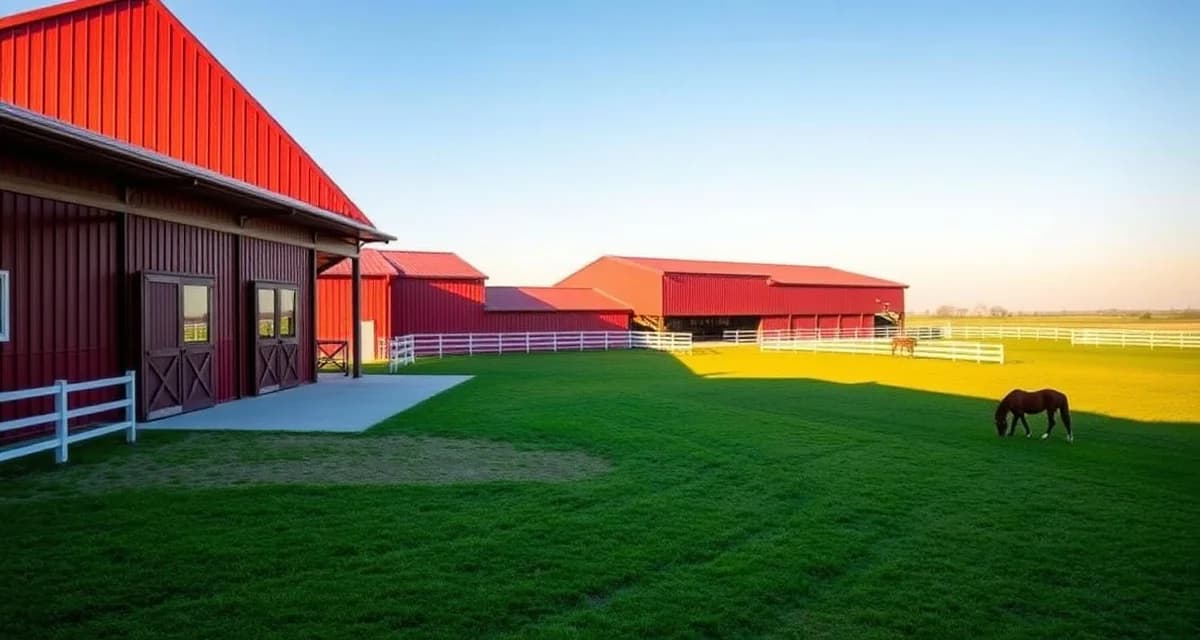
Equine Facilities in Oklahoma
Oklahoma is genuine horse country. The state ranks among the top five nationally in horse population and is one of the most important states in the country for western performance horse breeding, training, and competition. Cutting, reining, roping, barrel racing, and ranch horse versatility are not niche activities here; they are central to the state's agricultural identity and economy.
The Equestrian Landscape
The Oklahoma City metro and surrounding counties in central Oklahoma are the heart of the state's performance horse industry. Facilities around Edmond, Yukon, Guthrie, and Weatherford serve a dense population of cutting horse trainers, reining professionals, and working ranch horse operations. The NRHA and NCHA both maintain significant ties to Oklahoma through affiliated organizations and events.
Tulsa and northeast Oklahoma have a different character, with more mixed disciplines and a horse community that blends ranching culture with competitive and recreational riding. The Ozark foothills in the northeast offer trail riding and a strong quarter horse and paint horse presence.
Southeast Oklahoma, including the Kiamichi Mountains, is trail riding territory. The Ouachita National Forest provides access to some of the most scenic equestrian trails in the region. Outfitters and small boarding operations catering to trail riders populate this corner of the state.
Western Oklahoma is ranch country. The Panhandle and high plains see working ranch horses in real agricultural use, and facilities here are often adjuncts to cattle operations rather than standalone equine businesses.
Weather Management
Oklahoma weather is unpredictable in ways that demand preparedness. The state sits in tornado alley, and severe spring weather requires having a plan for horses during tornado warnings. Straight-line wind events, hail, and flooding from spring storms are recurring operational hazards.
Summers are hot and can be brutally humid in the eastern parts of the state. Water availability and quality during peak summer are management priorities. Winters in northern Oklahoma can be harsh, while the southern tier typically sees milder conditions. Ice storms are the most dangerous winter event, loading roofs, glazing paddocks, and making roads impassable.
Performance Horse Operations
Oklahoma's performance horse industry operates at a professional level that sets expectations for the state's entire equine sector. Facilities that serve professional trainers deal with high volumes of horses, fast turnover, and clients who understand horse care in detail.
For professional training operations, tracking horses' daily care, medical events, and conditioning work is critical for client reporting and liability management. Using a system like BarnBeacon to log care tasks, track veterinary and farrier visits, and generate owner reports makes the difference between a professionally run program and one that relies on memory and verbal communication.
Breeding and Bloodstock
Oklahoma has a meaningful quarter horse and paint horse breeding industry. The Oklahoma Quarter Horse Association and affiliated breed registries are active. Stud farms and breeding programs add a layer of operational complexity to horse management that includes reproductive records, stallion management, and foaling care.
For facilities with broodmares, tracking cycle data, breeding dates, and foaling schedules as part of a broader management system saves time and reduces errors during a demanding breeding season.
Land and Pasture Management
Oklahoma's native grass pastures are one of the state's great natural assets for horse facilities. Bermuda grass in summer and native tall grasses provide nutrition and ground cover. Managing grazing pressure, maintaining fencing on large acreage, and dealing with invasive cedar encroachment on pasture land are common facility management challenges.
Drought is a recurring reality in Oklahoma, particularly in the western parts of the state. Facilities need to plan hay reserves and grazing management strategies for below-average rainfall years. Creek and pond water sources can fail during drought, making well backup essential.
Building Client Relationships
Oklahoma horse people are direct and value practical competence over polish. Barn managers who demonstrate genuine horsemanship, honest communication, and fair dealing build reputations that sustain businesses through competitive market conditions.
Transparent billing, clear records, and consistent follow-through on owner communication are the foundations of long-term client relationships in any market. For practical guidance, see our articles on owner communication and payment tracking.
FAQ
What is Equine Facilities in Oklahoma?
Equine facilities in Oklahoma encompass a broad range of professional and private horse operations, including cutting and reining training barns, breeding farms, boarding facilities, rodeo arenas, and trail riding outfitters. Oklahoma ranks among the top five states nationally in horse population, making these facilities central to the state's agricultural identity. From the Oklahoma City metro to the Kiamichi Mountains, the state supports everything from elite performance horse training centers to recreational trail riding operations.
How much does Equine Facilities in Oklahoma cost?
Costs vary significantly depending on facility type and services. Boarding typically ranges from $200 to $800 per month, with full-service training barns charging $800 to $2,500 or more monthly. Arena rental fees, lesson programs, and breeding services each carry separate pricing. Oklahoma's strong horse economy means competitive rates exist across the state, but premier cutting and reining facilities in the Oklahoma City metro area command premium pricing reflective of their professional-level amenities and coaching staff.
How does Equine Facilities in Oklahoma work?
Oklahoma equine facilities operate by providing horse owners, trainers, and competitors with the infrastructure needed to house, train, and compete. Boarding facilities manage daily care including feeding, turnout, and stall cleaning. Training operations offer structured programs with professional coaching. Competition venues host events sanctioned by organizations like the NRHA and NCHA. Many facilities combine multiple functions, allowing clients to board, train, and show horses under one roof with integrated management and scheduling.
What are the benefits of Equine Facilities in Oklahoma?
Oklahoma equine facilities offer significant advantages including access to world-class trainers specializing in western performance disciplines, proximity to major competitions, and a deeply established horse community. Facilities benefit from Oklahoma's climate, which allows year-round riding with mild winters compared to northern states. The state's ranching culture means farriers, veterinarians, and equine specialists are plentiful. Networking opportunities with elite cutting, reining, and ranch horse professionals give horses and riders a competitive development edge.
Who needs Equine Facilities in Oklahoma?
Anyone involved in Oklahoma's horse industry can benefit from quality equine facilities. Professional trainers need proper arenas, stalls, and wash racks to run effective programs. Competitive riders require facilities close to NRHA and NCHA affiliated events. Recreational riders seek safe boarding and trail access. Breeders need specialized foaling and breeding infrastructure. Ranch operations require working pens and equipment storage. Oklahoma's diverse equestrian population—from youth 4-H participants to seasoned professionals—all depend on well-managed facilities.
How long does Equine Facilities in Oklahoma take?
The time involved depends on your goals. Boarding enrollment is immediate upon availability. Training programs for performance disciplines like cutting or reining typically require six to twelve months to develop a young horse to a competitive level. Facility construction or renovation projects range from several months to over a year. Competitive development timelines vary by discipline and horse. Oklahoma's active show calendar means competitors can find events throughout the year, keeping horses in regular competition regardless of season.
What should I look for when choosing Equine Facilities in Oklahoma?
When evaluating Oklahoma equine facilities, prioritize stall quality, arena footing, and turnout space appropriate for your discipline. Verify trainer credentials and competition records, especially for cutting, reining, or roping programs. Assess veterinary and farrier access, proximity to major venues, and emergency protocols. Review feeding programs, hay quality, and pasture management. Ask about other horses and clients at the facility to ensure a compatible training environment. Facility cleanliness, drainage, and safety fencing are non-negotiable baseline requirements.
Is Equine Facilities in Oklahoma worth it?
For anyone serious about horses in Oklahoma, quality equine facilities are absolutely worth the investment. The state's competitive horse industry demands professional-grade infrastructure to stay relevant in cutting, reining, and ranch horse circles. Well-run facilities improve horse health outcomes, accelerate training progress, and provide access to networks that advance careers and sales opportunities. Oklahoma's robust horse economy means well-maintained facilities retain strong value. Whether boarding, training, or competing, the right facility directly impacts results and long-term success.